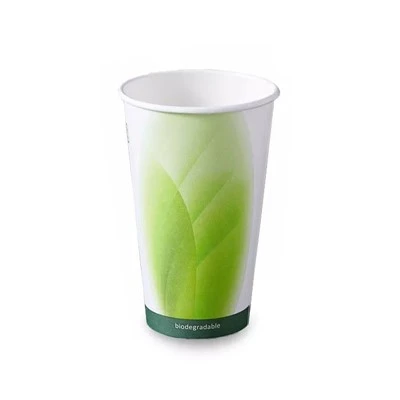
As environmental awareness grows, the consumption of biodegradable disposable cups is on the rise, leading to the emergence of alternatives such as biodegradable plastic cups and reusable cups. However, the industry faces challenges such as "pseudo-biodegradability" and lagging standards. The introduction and enforcement of relevant policies significantly influence the industry's development.
Current Status and Issues Regarding Biodegradable Plastic Cups
In recent years, the consumption of biodegradable disposable cups has grown rapidly, driven by their eco-friendly and hygienic appeal. Some products labeled as biodegradable actually contain non-biodegradable polypropylene (PP) plastic mixed with biodegradable materials like starch or rice husks; this prevents complete degradation, resulting in a phenomenon known as "pseudo-biodegradability." Comparative test results released by the Shanghai Consumer Council revealed that "Huilin" brand disposable Kung Fu tea cups contained levels of 3-chloro-1,2-propanediol more than three times the national limit, posing safety risks. Non-biodegradable materials masquerading as biodegradable ones offer lower costs, creating a market dynamic where "bad money drives out good." Experts point out that the root cause of excessive harmful substances is the excessive pursuit of cost reduction by enterprises, and they call for updated standards and strengthened government oversight.
Eco-friendly Alternatives: The Reusable Cup Model
Promoting reusable cups-which can be washed and used repeatedly-at large-scale events like music festivals and sporting matches can significantly reduce disposable plastic cup waste, representing a new direction for the green economy that aligns with "dual carbon" strategies. For instance, the Leicester Tigers rugby club in the UK implemented a reusable cup program that eliminated the use of over 16,000 disposable plastic cups in a single match; the NBA's Charlotte Hornets also successfully introduced reusable cups at their home games. Surveys indicate that as many as 76% of respondents are willing to try reusable cups for environmental reasons, while the primary concern among those unwilling to do so stems from doubts regarding cleanliness and hygiene safety. Compared to disposable cups, reusable cups incur additional costs for cleaning, logistics, labor, and machinery, with the aim of lowering these costs through economies of scale.