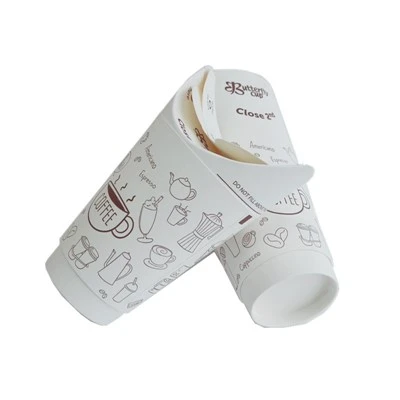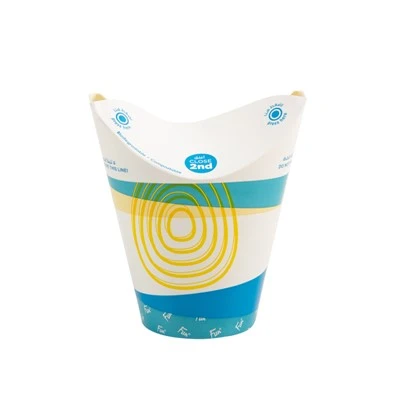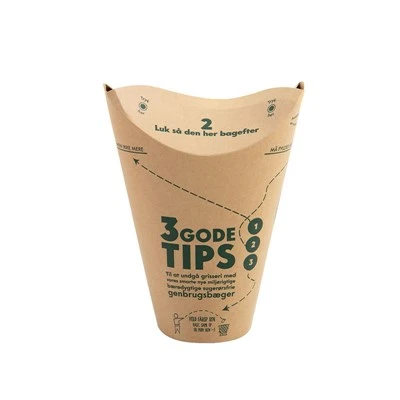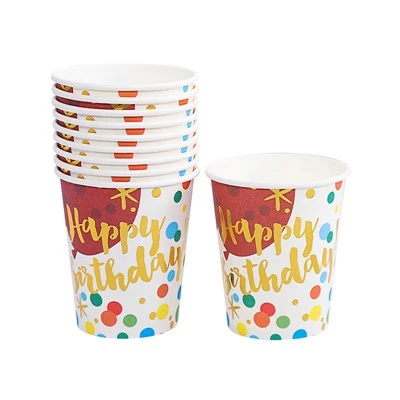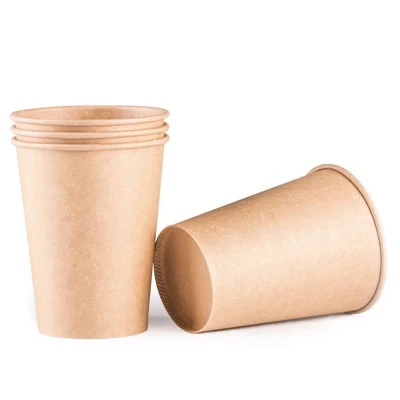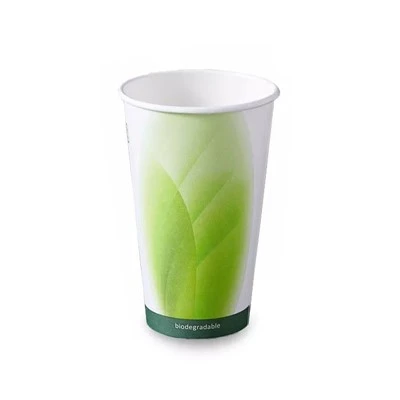
The shelf life of paper cups is generally 12 to 24 months; please refer to the production date and expiration date marked on the packaging. Shelf life varies slightly depending on the material (e.g., standard paper cups vs. PE-coated paper cups) and manufacturing process.
Key factors affecting shelf life
Material and manufacturing process: PE-coated paper cups (featuring an inner polyethylene coating) offer superior barrier properties and thus have a longer shelf life than uncoated cups. Shelf life stability is enhanced when high-quality raw materials and proper sealing standards are used during production.
Storage conditions: Improper storage (e.g., exposure to high humidity or heat) accelerates moisture absorption and mold growth, or causes the coating layer to age and peel, significantly shortening the actual usable lifespan.
Packaging integrity: Damaged packaging exposes cups to air, making them susceptible to dust and bacterial contamination while accelerating moisture absorption, which drastically reduces shelf life.
Key storage requirements
Temperature control: The ideal storage temperature is 15–25°C. Avoid high-temperature environments (such as areas near stoves or heaters), as heat can cause the coating layer to soften or deform, compromising safety.
Humidity control: Maintain ambient humidity between 45% and 65%. Avoid damp areas (like kitchens or bathrooms), as moisture can lead to mold, paper softening, and even leakage.
Storage environment: Choose a dry, well-ventilated, cool, and clean area. Keep cups away from sources of strong odors (e.g., pesticides, cleaning agents), contaminants, and direct sunlight to prevent odor absorption or material degradation.
Stacking requirements: Stack neatly to avoid deformation caused by heavy pressure. Keep packaging sealed; unused cups from opened packages should be stored in airtight bags or containers and used as soon as possible.