

1. Look: When selecting disposable paper cups, do not focus solely on whiteness or assume that a whiter cup is more hygienic; some manufacturers add excessive fluorescent whitening agents to make the cups appear whiter. Once these harmful substances enter the human body, they can become potential carcinogens. Experts recommend holding the cup under a light; if it emits a blue glow under fluorescent light, it indicates excessive fluorescent agents, and consumers should exercise caution.
2. Squeeze: Beware of leakage if the cup body is flimsy or lacks rigidity. Choose cups with thick, sturdy walls; cups with low structural integrity feel soft when squeezed and may deform severely-or even become impossible to hold-when filled with water or beverages, making them difficult to use. Experts note that high-quality paper cups can hold water for 72 hours without leaking, whereas poor-quality ones may begin to leak within half an hour.
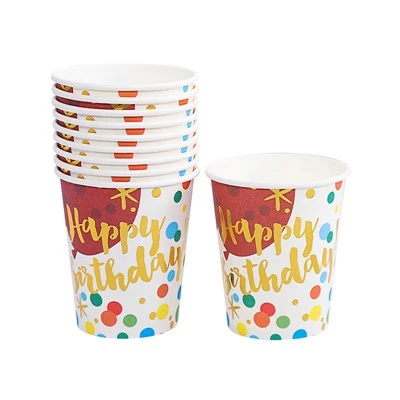
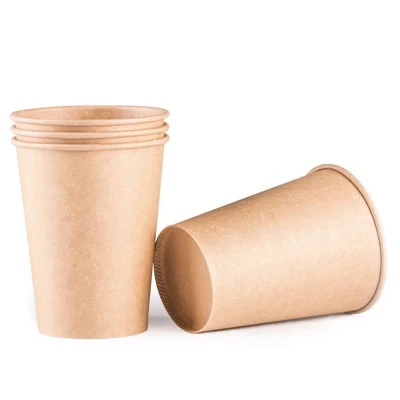
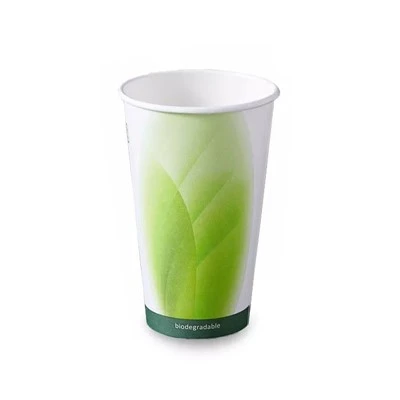
3. Smell: Be wary of ink poisoning if the cup features elaborate, colorful designs. Quality control experts point out that paper cups are often stacked together; if they become damp or contaminated, mold inevitably forms, so damp cups should never be used. Additionally, colorful patterns and text printed on the exterior can transfer ink to the interior of the cup nested inside it. Since these inks often contain benzene and toluene-substances harmful to health-it is best to purchase cups with little to no ink printing on the exterior.
4. Use: Distinguish between cold-drink and hot-drink cups, as each serves a specific purpose. Experts emphasize that disposable paper cups generally fall into two categories-cold-drink cups and hot-drink cups-and using them for the wrong purpose could potentially impact consumer health.
How to Choose Paper Cups
Previous
Precautions for Using Paper Cups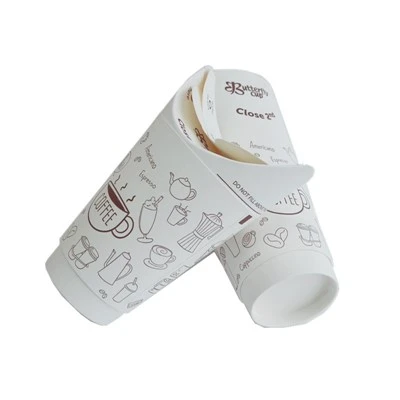
Send Inquiry