

The manufacturing of paper cups is a complex process involving multiple stages and steps.
A brief overview of the process follows.
The first step is the preparation of raw materials. The primary material is food-grade paper, typically derived from pulp. The pulp undergoes processing-including refining, bleaching, and screening-to ensure a uniform texture free of impurities. Auxiliary materials, such as adhesives and inks, are also prepared at this stage.
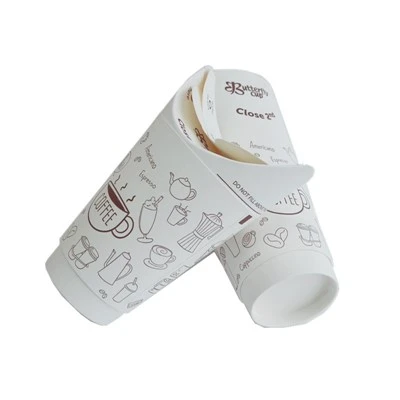
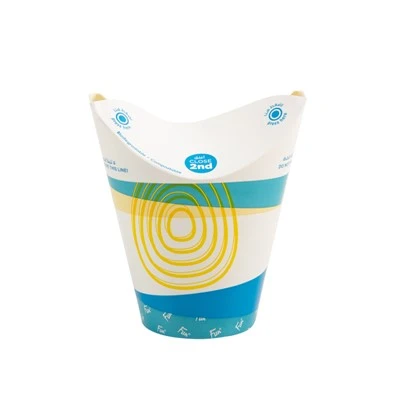
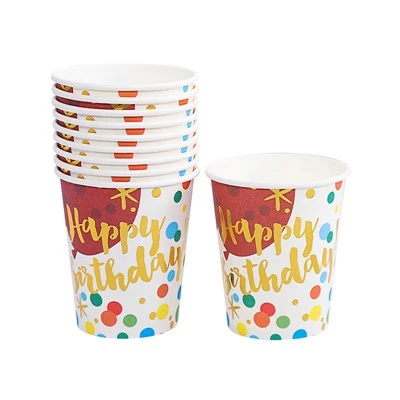
Next is the printing process. Paper cups are usually printed on the surface to enhance their visual appeal and brand recognition. Flexographic printing-a common technique-is typically used. This method allows for multi-color printing, resulting in vibrant colors and sharp, clear patterns.
Once printing is complete, the die-cutting process takes place. Die-cutting involves cutting the printed paper into the specific shape and dimensions of the cup using a mold. High-speed rotating die-cutting blades are generally used to cut the paper to the required size.
The subsequent step is the forming process. Forming is primarily achieved through heat-sealing; the base of the cup is folded and pressed to create a secure seal. A heat-sealing machine is typically used to heat and press the base, ensuring a robust structure.
Finally, the cups undergo packaging. The formed cups are packaged-usually in plastic bags or cardboard boxes-to protect the product and facilitate transport and sales.
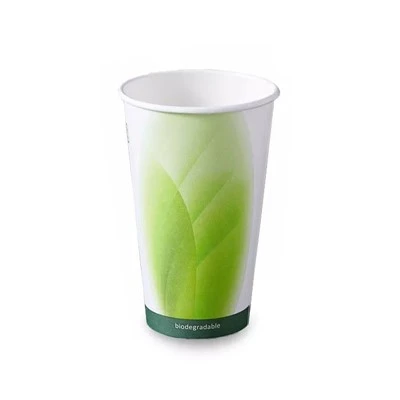
Paper Cup Manufacturing Process

Send Inquiry