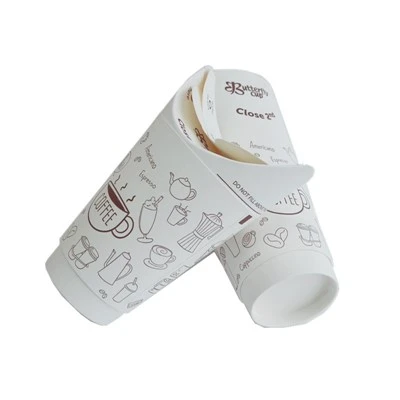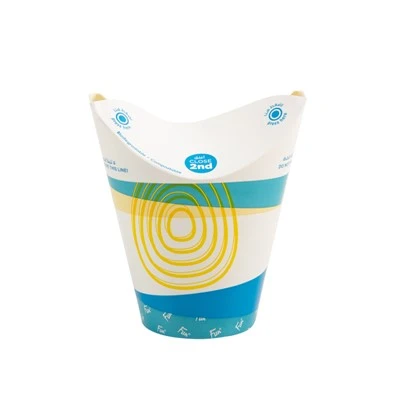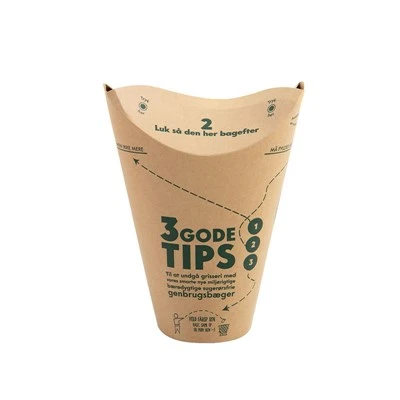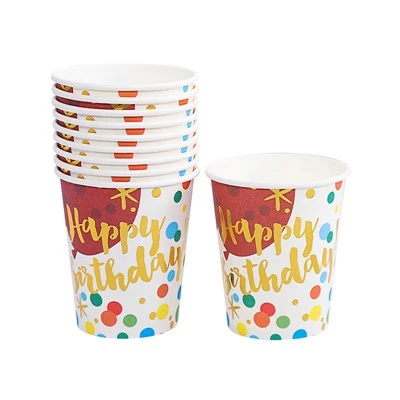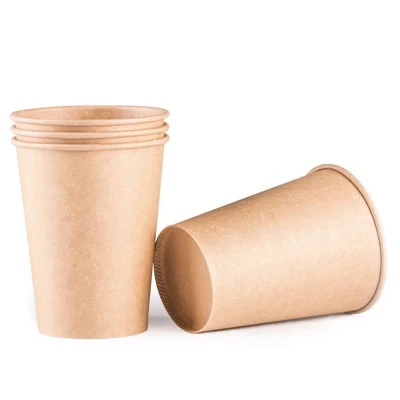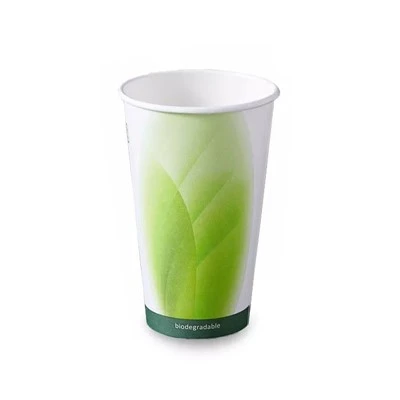
Paper bowls are bowl-shaped containers manufactured through mechanical processing and bonding, using base paper made from chemical wood pulp; they are primarily used for holding food. Their inner walls are coated with a water-resistant polyethylene film to prevent leakage. Depending on their intended use, they are categorized into wax-coated types (suitable for frozen foods) and plastic-coated types (capable of withstanding temperatures above 90°C). Characterized by their lightweight and hygienic nature, they are widely used in the food service industry.
Since their introduction in the 20th century, these products have seen rapid growth. In the 21st century, they were adopted by international fast-food chains-such as McDonald's and KFC-as well as the instant noodle industry, becoming a mainstream form of disposable tableware. During production, they must pass physical tests for leak resistance and compressive strength, and comply with hygiene and safety standards regarding overall migration limits and heavy metal content. As their usage has become widespread, the industry has increasingly focused on potential issues such as the oxidation of production materials and the presence of fluorescent whitening agents. In recent years, some manufacturers have adopted biodegradable materials to address concerns regarding resource consumption and environmental pollution; simultaneously, national policies promoting a reduction in plastic tableware for food delivery services have fostered the development of eco-friendly molded pulp tableware.